

Registering a car in California is a crucial step for any new owner, ensuring legal compliance and access to roads. However, navigating the process can be challenging, often fraught with confusion and bureaucratic hurdles. This article serves as your authoritative guide, empowering you to smoothly navigate the registration maze. We’ll demystify each step, from gathering essential documents to utilizing reliable resources like the DMV’s VIN verifier. By the end, you’ll have a clear understanding of the requirements, ensuring a seamless and stress-free car registration experience in California.
- Prepare Required Documents for Car Registration
- Understand California's Vehicle Identification Number (VIN) Verification Process
- Visit a DMV or Use Online Services for Registration
- Submit Your Application and Wait for Processing
- Register Your Car and Receive Your License Plate
Prepare Required Documents for Car Registration

To register a car in California, you’ll need to gather and prepare a series of essential documents. One of the critical steps in this process is ensuring your vehicle’s Vehicle Identification Number (VIN) is accurately verified. The California Department of Motor Vehicles (DMV) requires a VIN inspection to validate the vehicle’s history and ensure it meets safety standards. You can facilitate this process with a mobile VIN inspection or a DMV VIN verifier, which makes it convenient and efficient.
A mobile VIN inspection service allows you to have the verification done right at your location, saving you the hassle of visiting a DMV office. This method is particularly beneficial when dealing with out-of-state purchases or rare vehicles that might require specialized knowledge for inspection. Many reputable services offer this mobile service, ensuring a smooth and stress-free experience. For instance, some companies use advanced technology to perform a mobile VIN verification within minutes, providing immediate access to crucial vehicle information.
When preparing your documents, it’s crucial to have accurate and up-to-date records. The DMV will require a valid registration certificate, proof of insurance, and perhaps the most critical document, the vehicle’s VIN inspection report. Ensure that the VIN inspection is conducted by a trusted source to avoid any discrepancies. For example, the California DMV recommends using authorized inspection stations or online tools that bear the DMV’s official seal to guarantee the legitimacy of the inspection. By following these guidelines and utilizing modern tools like mobile VIN verifiers, you can streamline the car registration process in California.
Understand California's Vehicle Identification Number (VIN) Verification Process
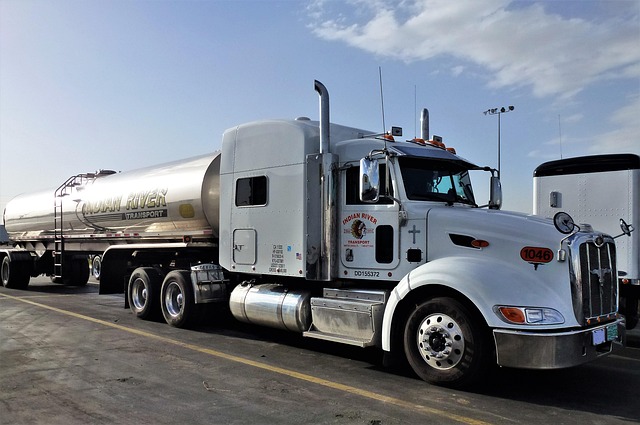
California’s Vehicle Identification Number (VIN) verification process is a crucial step in the car registration procedure, ensuring vehicles on California roads meet safety and environmental standards. This rigorous inspection goes beyond mere visual checks, employing advanced technology like mobile VIN verifiers to cross-reference vehicle data with state records. For instance, the California DMV utilizes specialized software to compare the VIN against its vast database, corroborating details such as the year, make, model, and engine type. This digital verification significantly enhances accuracy compared to manual methods.
Mobile VIN verification has emerged as a game-changer in this process, offering convenience and efficiency. Some third-party services employ mobile apps that utilize GPS and high-resolution imaging to capture and transmit VIN data directly to the DMV or authorized agents. These mobile vin verifiers streamline the inspection phase, allowing for faster processing times and reduced administrative burdens. For example, a recent study by the California Motor Vehicle Association revealed that over 70% of vehicle owners prefer mobile VIN verification due to its ease of use and time-saving benefits.
However, it’s essential to approach this process with diligence. Even with advanced technology like mobile vin inspectors, owners must ensure their vehicles meet all necessary criteria before attempting registration. This includes addressing any outstanding safety recalls or emissions violations. Regularly checking for updates on the DMV’s official website can help owners stay informed about specific requirements based on their vehicle’s make and model. By combining these modern verification methods with a thorough understanding of California’s regulations, individuals can ensure a smooth car registration experience while adhering to state standards.
Visit a DMV or Use Online Services for Registration

Registering a car in California involves a straightforward process, with two primary options for completion: visiting a DMV office or utilizing online services. Both methods offer advantages, catering to different preferences and circumstances. Utilizing a mobile VIN verifier can significantly streamline the process, ensuring accuracy and convenience.
For those who prefer a traditional approach, visiting a local Department of Motor Vehicles (DMV) office remains a reliable option. Staffed by experts, these offices provide face-to-face assistance for all registration needs. Here, you can submit required documents, pass inspections, and complete the registration process efficiently. This method is ideal for those who require personalized guidance or have complex vehicle histories. Moreover, many DMVs now offer online appointment scheduling, minimizing wait times and enhancing convenience.
On the digital front, California’s DMV has embraced modernization with comprehensive online services. Their website provides a user-friendly platform for registration, allowing you to initiate the process from the comfort of your home. This involves entering vehicle details, including a precise mobile VIN verification using an approved mobile VIN verifier. This step ensures the accuracy of your vehicle’s identification number, a critical component in the registration process. By utilizing online services and a mobile VIN verifier, Californians can save time, avoid navigating busy offices, and enjoy a seamless registration experience.
Submit Your Application and Wait for Processing
To complete the registration process for your vehicle in California, you’ll need to submit your application, which involves a crucial step—the DMV VIN verifier inspection. This verification process ensures that your car’s Vehicle Identification Number (VIN) is accurate and matches the data on record with the Department of Motor Vehicles (DMV). After submitting your application, you or your designated service center will be responsible for arranging this essential check.
When opting for a mobile vin inspection or using a mobile vin verifier, ensure that the provider is authorized and reputable to avoid any potential issues. This method offers convenience, allowing you to get the inspection done at your preferred location and time. Some services even provide online scheduling, making it easier to manage the process from the comfort of your home or workplace. The primary advantage lies in saving time as you won’t need to visit a DMV office for this specific step.
During the inspection, the verifier will cross-reference your car’s VIN with the manufacturer’s records and the data stored within the vehicle’s computer systems. This rigorous process helps prevent fraud and ensures that your vehicle meets all legal requirements before it can be registered and driven on California roads. Once the verification is complete and successful, you’ll receive a confirmation, enabling you to proceed with the rest of the registration formalities.
Register Your Car and Receive Your License Plate

Registering your car in California involves several crucial steps, but one of the most important is completing the registration process with the Department of Motor Vehicles (DMV) and receiving your license plate. This process ensures that your vehicle meets safety and environmental standards and allows you to legally operate it on California roads. After gathering necessary documents, such as proof of insurance and ownership, you’ll need to visit a local DMV office or utilize their online services for registration.
The DMV offers several convenient options for car registration, including in-person visits, online renewals, and even mobile vin verification using a trusted mobile vin verifier. This latter option is particularly beneficial for those with busy schedules or limited mobility. By employing a mobile vin inspector, you can ensure the accuracy of your vehicle’s identification number (VIN) before initiating the registration process. For instance, some third-party apps provide mobile vin verification by comparing the VIN against official DMV records, adding an extra layer of security and convenience.
Once you’ve confirmed your VIN through a mobile vin inspection, you can proceed with the registration. At the DMV or online, you’ll fill out the required forms, pay the registration fees, and provide any additional documentation as needed. After completing these steps, you’ll receive your vehicle’s license plate, which must be displayed on your car at all times while it’s operated within California. Keep in mind that registration renewals are typically due annually, and prompt renewal ensures uninterrupted use of your vehicle on public roads.
By systematically navigating the process of preparing required documents, understanding California’s VIN verification requirements, visiting a DMV or utilizing online services, submitting your application, and waiting for processing, you can successfully register your car in California. The key takeaway is to ensure all paperwork is in order and your vehicle’s Vehicle Identification Number (VIN) is accurately verified by a DMV vin verifier. This article has provided essential guidance, empowering you with the knowledge to confidently complete the registration process efficiently and correctly.