

Registering a car in California is a vital step for any new owner, ensuring legal compliance and ownership protection. However, navigating the process can be cumbersome, especially with complex regulations and varying requirements across counties. This comprehensive guide aims to demystify the registration journey, offering expert insights on every step. We’ll walk you through the necessary documents, fees, and crucial processes like VIN verification to ensure a seamless experience. By the end, you’ll be equipped with the knowledge to register your vehicle efficiently and securely in California.
- Prepare Required Documents for Car Registration
- Understand Vehicle Identification Number (VIN) Verification
- Choose a California DMV Location for Registration
- Submit Application and Pass Inspection for Registration
- Register Your Vehicle Online or In-Person in CA
Prepare Required Documents for Car Registration

Before you begin the car registration process in California, it’s crucial to gather all necessary documents and ensure they’re accurate. This step is often overlooked but can save significant time and effort later. Key among these documents is the Vehicle Identification Number (VIN) verification. The VIN is a unique code that identifies your vehicle, and its accuracy is paramount for a smooth registration. Consider employing a mobile VIN inspection or verification service to streamline this process; many such services exist today, offering convenience and reliability, especially if you’re pressed for time.
For instance, California’s Department of Motor Vehicles (DMV) requires original documents like the title, registration certificate, proof of insurance, and current emissions test results. Additionally, a completed Application Form MV-55 is essential. It’s during this stage that VIN verification comes into play—a step often facilitated by mobile services that can provide instant, official confirmation of your vehicle’s identity. These services use advanced technology to cross-reference the VIN with state records, ensuring its authenticity and providing peace of mind.
Another document to prepare is proof of ownership, which can be a purchase agreement or a lease contract. If you’re transferring registration, you’ll need an odometer reading and a signed statement from the previous owner. It’s important to note that the DMV offers a list of acceptable forms and documents on their official website, which serves as a valuable resource for preparing ahead of time. By ensuring all these elements are in order, including the mobile VIN verification, you can navigate the registration process with confidence.
Understand Vehicle Identification Number (VIN) Verification
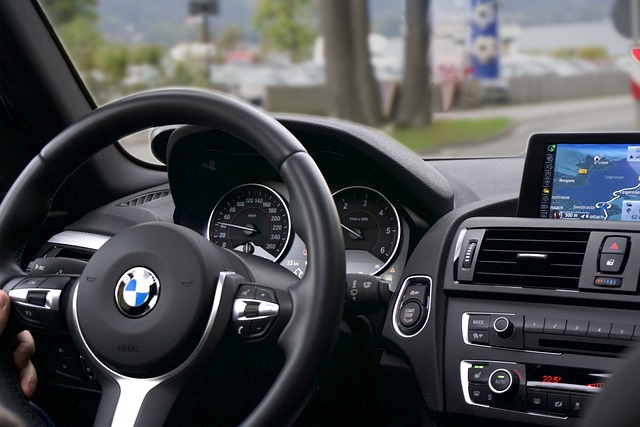
Registering a car in California involves several crucial steps, and one critical component is understanding and verifying your Vehicle Identification Number (VIN). The VIN is a unique code that identifies your vehicle, much like a fingerprint. It’s essential to ensure its accuracy during the registration process to avoid future legal issues. A mobile VIN verifier or inspector can play a pivotal role here by providing on-site, immediate verification, which is especially useful in California, where vehicles are subject to rigorous safety and emission standards.
California requires that the VIN be accurately recorded on the title and registration documents. Any discrepancies could lead to delays or even rejection of your registration application. A mobile VIN inspection service can help resolve such issues quickly. These services use specialized equipment to read and verify the VIN, ensuring its legitimacy and accuracy. For instance, some mobile verifiers can cross-reference the VIN with national databases to confirm the vehicle’s history, including any previous owners or reported accidents, which is vital information for both buyers and sellers.
During a mobile VIN inspection, a professional will physically inspect your vehicle to ensure the VIN plate is intact and legible. They’ll also check for any signs of tampering, which could indicate a potential fraud attempt. Many reputable services offer this on-site service at convenient locations or even directly at your home or workplace. This level of convenience and expertise can save you valuable time and provide peace of mind when registering your vehicle in California. By utilizing these modern tools, such as mobile VIN verifiers, you ensure a smoother registration process and maintain the integrity of your vehicle’s identification throughout.
Choose a California DMV Location for Registration

Choosing a California DMV location for car registration is a crucial step in ensuring a smooth and efficient process. The California Department of Motor Vehicles (DMV) offers various service centers across the state, each equipped to handle vehicle registration, including VIN verification. This verification process ensures that your car’s unique Vehicle Identification Number (VIN) matches the information on record, protecting you from potential fraud or theft.
To streamline the registration process, consider utilizing a mobile VIN verifier for initial checks before visiting the DMV. Mobile VIN verification services allow you to confirm your vehicle’s authenticity and history remotely, saving time and effort. This is especially beneficial if you’re unsure about the car’s provenance or have experienced past issues with fraudulent registrations. By conducting a simple online check using a reliable mobile VIN inspection tool, you can identify any red flags before committing to the registration.
When selecting a DMV location, consider factors such as proximity, accessibility, and peak hours. Urban areas like Los Angeles and San Francisco typically have busier DMV offices with longer wait times, while regional or suburban locations may offer quicker service. Some offices even provide online appointments for registration renewals, reducing wait times significantly. It’s advisable to check the DMV’s website for specific services offered at each location, including VIN verification capabilities, ensuring you can complete your registration efficiently without unnecessary delays.
Submit Application and Pass Inspection for Registration
To complete the registration process in California, you must submit an application along with passing a vehicle inspection. This step involves providing essential documentation, including proof of insurance, valid identification, and, crucially, your Vehicle Identification Number (VIN). VIN verification is a critical aspect of ensuring the accuracy of your car’s information, which can be efficiently facilitated by utilizing a mobile VIN verifier or conducting a mobile VIN inspection. These methods allow you to obtain a digital report of your vehicle’s history in real time, increasing transparency and reliability during the registration process.
When submitting your application, ensure that your VIN is accurate and matches the records on file with the California Department of Motor Vehicles (DMV). A common mistake is providing an incorrect or outdated VIN, which can delay registration. If you’re unsure about your vehicle’s history, a mobile VIN inspection by a trusted professional can offer peace of mind. This service provides a comprehensive report, including previous ownership details, accident history, and maintenance records, all of which are vital for a successful registration.
After completing the application and gathering necessary documents, schedule an appointment at a DMV-approved inspection station. Here, a certified inspector will conduct a thorough examination of your vehicle, checking its overall condition, emissions systems, safety features, and more. During this process, they may also utilize a mobile VIN verifier to cross-reference the VIN on your car with industry databases, ensuring consistency and authenticity. Once passed, you’ll receive an inspection sticker and be one step closer to registering your vehicle in California.
Register Your Vehicle Online or In-Person in CA

Registering your car in California involves a straightforward process, whether you choose to do it online or in person. For those seeking a convenient option, online registration is available through the California Department of Motor Vehicles (DMV). You’ll need to provide essential information and documents, including proof of insurance and vehicle identification number (VIN) verification. The VIN is a unique code that can be quickly checked for authenticity using online tools or by contacting your vehicle manufacturer—a crucial step in ensuring compliance with state regulations.
For those who prefer a more traditional approach, visiting a local DMV field office remains an option. Bring all necessary documents, including the registration application, completed and signed. An important consideration when visiting the DMV is scheduling appointments to avoid long waits. To enhance convenience further, some mobile VIN inspection services offer on-site verification, allowing you to complete this critical step without leaving your car—a valuable service for busy individuals or those in remote areas with limited access to traditional VIN verifiers.
It’s important to remember that accurate and timely registration is vital to ensure your vehicle complies with California’s legal requirements. Delving into the specifics of each method, whether online or in-person, will help you make an informed decision based on personal preference and convenience while ensuring a seamless car registration process.
By meticulously preparing required documents, understanding the significance of VIN verification, and strategically selecting a California DMV location, you can streamline the car registration process. Whether registering online or in person, this comprehensive guide ensures you submit a complete application and pass inspection with ease. Remember, accurate VIN verification is paramount, as it safeguards against fraud and ensures your vehicle’s legitimacy on California’s roads, empowering you to navigate the registration labyrinthine efficiently.