

Registering a car in California is a crucial step for any new owner, ensuring legal compliance and facilitating seamless use on public roads. However, navigating the process can be confusing, with various requirements and paperwork involved. This article serves as your comprehensive guide, offering clear, authoritative instructions to streamline the registration journey. We’ll delve into every step, from gathering essential documents to utilizing reliable tools like a VIN verifier, ensuring you have all the knowledge needed to register your vehicle efficiently and accurately.
- Gather Necessary Documents for Car Registration in California
- Understand Vehicle Identification Number (VIN) Verification Requirements
- Visit a California Department of Motor Vehicles (DMV) Office or Use Online Services
- Complete the Registration Application: Personal and Vehicle Details
- Pay Registration Fees and Receive Your Vehicle's Registration Documents
Gather Necessary Documents for Car Registration in California

Before registering your car in California, ensuring you have all the necessary documents is paramount. The state requires specific paperwork for a successful registration, which can be obtained through various official channels. One crucial document is the Vehicle Identification Number (VIN) inspection report, which verifies the vehicle’s authenticity and history. Utilize a mobile VIN verifier to access this information quickly and conveniently. This digital tool provides detailed insights into the car’s past, including ownership changes, accident records, and mechanical issues, ensuring you make an informed decision.
California’s Department of Motor Vehicles (DMV) recommends acquiring a clean VIN inspection report to streamline the registration process. It’s essential to check that all information on the document matches your vehicle precisely. Additionally, gather other critical documents like your driver’s license, proof of insurance, and sales receipt or bill of sale. If you’ve recently purchased a used car, ensure the seller provides a valid, up-to-date VIN inspection report. This reduces potential issues during registration and demonstrates responsible ownership from day one.
For ease and accuracy, consider using a mobile VIN verification service. These applications allow you to input your vehicle’s VIN and instantly receive detailed information about its history. Not only does this save time, but it also provides peace of mind, knowing you have access to precise data whenever needed. Remember, accurate documentation is key when registering your car in California, ensuring a smooth transition from buyer to registered owner.
Understand Vehicle Identification Number (VIN) Verification Requirements

Registering a car in California involves several crucial steps, one of which is ensuring your vehicle’s Vehicle Identification Number (VIN) is verified. This process checks that your car’s VIN matches the information on file with the state, preventing fraud and ensuring safety. The California Department of Motor Vehicles (DMV) has specific requirements for VIN verification, which all car owners must meet before registration can be finalized.
A key aspect of this process involves utilizing a reliable VIN verifier. This tool checks your vehicle’s unique 17-character VIN against the DMV’s database, confirming its authenticity and history. Many traditional methods rely on stationary equipment at a local mechanic or dealership, but modern advancements have introduced mobile VIN inspection solutions. These mobile VIN verifiers bring the technology directly to you, whether at home or a designated service center. For instance, some services offer real-time data access, allowing for immediate validation of your car’s history and identifying any potential red flags early in the registration process.
By employing a reputable mobile VIN verifier, California residents can streamline their registration journey. Not only does this method save time, but it also enhances accuracy. With an estimated 40% of vehicles having some form of tampering or altered records, according to recent studies, a thorough VIN inspection becomes paramount. This is where a well-equipped and certified mobile VIN verifier plays a pivotal role, ensuring your vehicle’s history remains unaltered and providing peace of mind before committing to registration.
Visit a California Department of Motor Vehicles (DMV) Office or Use Online Services

Registering a car in California involves several steps, and one of the key processes is choosing between visiting a DMV office or utilizing online services. Both options have their advantages, but understanding when to opt for each can streamline the registration process. If you’re considering a traditional approach, visiting a California Department of Motor Vehicles (DMV) office remains a fundamental step. Here, knowledgeable staff can guide you through the process, ensuring accuracy from start to finish. They offer services like vehicle title transfers, license plate assignments, and detailed vin inspection, which is crucial for verifying the vehicle’s history and authenticity.
For those who prefer digital convenience, California’s DMV offers robust online services. You can initiate the registration process remotely by providing essential details about your vehicle, including its make, model, year, and unique Vehicle Identification Number (VIN). This initial step often involves completing an application form available on the DMV website. A significant advantage of online registration is the ability to conduct a mobile VIN verification or mobile vin inspection. This digital inspection allows you to confirm key information about your car’s history, such as ownership records and accident reports, all from the comfort of your smartphone or tablet.
While online services offer efficiency, visiting a DMV office may be necessary for certain transactions and provides an opportunity to address any concerns directly with an expert. However, keeping up with technological advancements, like mobile VIN verification, ensures you can efficiently manage your car’s registration, regardless of your preferred method.
Complete the Registration Application: Personal and Vehicle Details
Completing the Registration Application is a crucial step in registering your car in California. This process involves providing detailed information about both yourself and your vehicle. For individuals unfamiliar with the intricacies of vehicle registration, this phase can seem daunting. However, understanding the required steps and gathering the necessary documentation can streamline the entire process.
Central to the application is the Vehicle Identification Number (VIN) verifier. In California, a VIN inspection is often conducted through mobile vin verification services for added convenience. These services ensure that your vehicle’s VIN is accurate and matches the data reported by manufacturers. This step is paramount as an incorrect or falsified VIN can lead to significant legal repercussions. The state requires this unique identifier to track vehicle history, including ownership changes, maintenance records, and any reported accidents, ensuring a transparent and secure registration process.
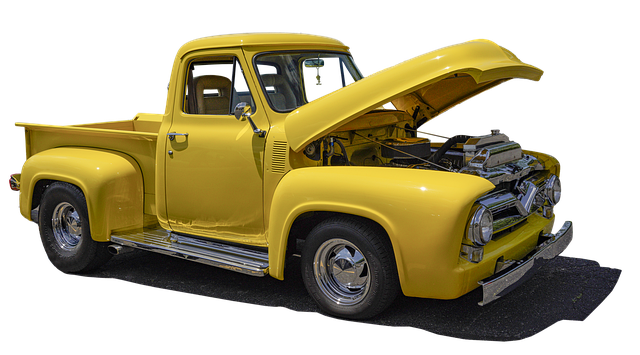
For instance, if you’re registering a classic car, the VIN inspection becomes even more critical. These vehicles often have intricate histories that require meticulous verification. Utilizing mobile vin inspection tools can save time and provide peace of mind. Furthermore, it’s advisable to keep records of all documents related to your vehicle’s history readily accessible during the registration process. This includes purchase agreements, service receipts, and any documentation from previous owners, as these can expedite the verification process.
Pay Registration Fees and Receive Your Vehicle's Registration Documents

To complete the registration process in California, you’ll need to pay the required registration fees alongside providing necessary documentation. The State of California determines these fees based on factors like vehicle age, emissions standards, and fuel type, ensuring a fair structure that funds road maintenance and safety inspections. As part of this step, you’ll receive your vehicle’s registration documents, which are crucial for legal operation on California roads.
One critical component of the process involves utilizing a vin verifier to ensure the validity of your vehicle’s unique identification number (VIN). This verification is essential during both initial registration and periodic renewals. You can conduct this inspection through various methods, including traditional stationary vin inspection centers or leveraging modern technology with mobile vin verifiers. The latter offers convenience by allowing you to perform the check from almost anywhere using your smartphone or tablet, making it a popular choice for today’s tech-savvy drivers.
For instance, consider using an app-based mobile vin verifier that guides you through the process step-by-step. After downloading and opening the app, you simply enter your VIN, and the tool cross-references it against state databases to confirm its authenticity. This digital approach not only streamlines registration but also enhances security by reducing opportunities for error or fraud. Ensure that any vin inspection method you choose is reliable and reputable to avoid delays or complications during registration.
Registering a car in California involves several key steps, from gathering essential documents to completing an application and paying fees. A crucial element is verifying the Vehicle Identification Number (VIN), ensuring accuracy through official channels. The process can be efficiently navigated at a DMV office or online, offering flexibility. Key takeaways include the importance of proper documentation, accurate vehicle details, and understanding fee structures. For a seamless experience, utilize approved VIN verifier services to streamline the initial verification step. This authoritative guide equips readers with the knowledge to confidently navigate California’s car registration process, ensuring legal compliance and peace of mind.