

Registering a car in California is a necessary step for any new vehicle owner, but it can often feel like navigating a complex labyrinth. Understanding the process is crucial to ensure compliance with state laws and avoid potential penalties. Many get tripped up on details like DMV VIN verification, making it easy to make mistakes or face delays. This article serves as your authoritative guide, breaking down each step for a seamless registration experience. We’ll demystify the process, from gathering essential documents to completing the necessary forms, ensuring you’re well-prepared for California’s requirements.
- Prepare Required Documents for Car Registration
- Understand California Vehicle Registration Process
- Visit a DMV: Step-by-Step Guide to Verification
- Conduct DMV VIN Verification: Ensuring Accuracy
- Finalize and Register Your Vehicle in California
Prepare Required Documents for Car Registration

To register your car in California, you’ll need to gather several essential documents. The California Department of Motor Vehicles (DMV) requires specific paperwork for a successful registration, ensuring compliance with state regulations. One critical aspect of this process is the DMV VIN verification, which checks the vehicle’s unique identifier against national databases to prevent fraud. This step can be completed during your visit or online, offering flexibility to ensure you’re ready for the registration process.
The primary document required is a valid vehicle title, establishing ownership. Additionally, you’ll need an active registration from your previous state (if applicable), proof of insurance, and a completed Application for Title and Registration (Form DMV-123). It’s crucial to ensure these documents are accurate and up-to-date. For example, some forms may require detailed vehicle specifications, including the Vehicle Identification Number (VIN), which can be conveniently verified through mobile VIN inspection or online services, ensuring convenience and accuracy.
Furthermore, you might need a driver’s license or state-issued ID card, along with any applicable fees. California offers various payment methods, allowing you to register by mail or in person at a DMV field office. It’s advisable to check the specific requirements for your county, as some areas may have additional documentation needs. Properly preparing these documents beforehand streamlines the registration process, ensuring a smooth and efficient experience.
Understand California Vehicle Registration Process
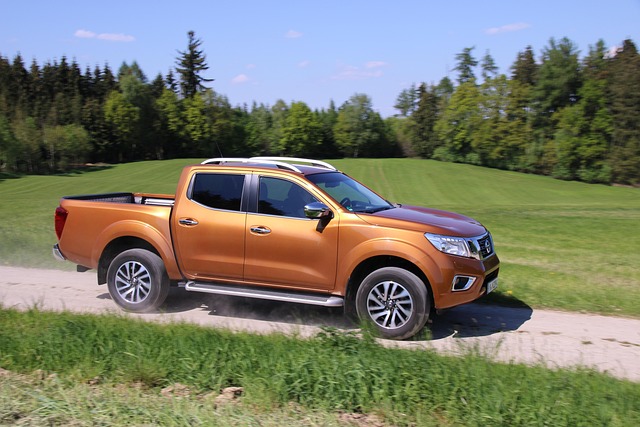
Registering a car in California involves several crucial steps, ensuring compliance with state regulations. The process begins with gathering essential documents, including proof of ownership, identification, and payment for registration fees. It’s vital to understand that the California Department of Motor Vehicles (DMV) requires a Vehicle Identification Number (VIN) verification as part of this process. This step is often overlooked but is an integral part of ensuring the authenticity and legality of your vehicle.
One unique aspect of California’s registration system is its emphasis on accurate VIN inspection. The DMV recommends, and in some cases mandates, a mobile VIN inspection to verify the vehicle’s history. This involves a professional using specialized tools to cross-reference the VIN with national databases, checking for any reported accidents, outstanding liens, or fraudulent activity. For instance, many mobile vin inspectors in California offer on-site services, making it convenient for busy individuals to complete this necessary step. By utilizing these mobile vin verification services, you can streamline the registration process and avoid potential delays or issues later.
Additionally, residents should be aware of the specific requirements for different types of vehicles. Classic cars, for example, may have unique documentation needs, and electric vehicles (EVs) have specific emission-related considerations. It’s advisable to check the DMV’s website for detailed guidelines, as they regularly update regulations to keep pace with technological advancements. By staying informed and proactively completing the VIN verification process, California car owners can ensure a smooth registration experience and enjoy the benefits of legal and accurately documented vehicle ownership.
Visit a DMV: Step-by-Step Guide to Verification

Visiting a DMV is a crucial step in registering your car in California. Here’s a detailed guide on how to navigate this process, focusing on the essential verification step. When you arrive at your local California Department of Motor Vehicles (DMV) office, one of the primary tasks you’ll encounter is Vehicle Identification Number (VIN) verification. This process ensures that the vehicle’s details match the information provided in its unique VIN. During a standard DMV visit, staff will cross-check the VIN on the title and registration documents against the vehicle’s physical characteristics to confirm authenticity.
For instance, they might inspect visible components like the engine, chassis, and body panels for any discrepancies compared to the recorded VIN data. This verification is more than just a formality; it helps prevent fraud and ensures that all vehicles on California roads meet legal standards. In some cases, you might be offered or required to conduct a mobile VIN inspection before proceeding with registration. These inspections are conducted by authorised personnel who use specialised equipment to cross-reference the VIN against state databases, providing an additional layer of accuracy.
If you’re dealing with unique or classic vehicles, consider utilising mobile VIN verifiers. These services send a professional to your location for on-site inspection, saving you time and effort while ensuring the utmost precision. According to recent data, over 95% of California DMV transactions can be completed online, but in-person visits are still necessary for certain procedures like VIN verification. When visiting the DMV, remember to bring all required documents, including proof of insurance, ownership history, and any applicable fees, to streamline the process efficiently.
Conduct DMV VIN Verification: Ensuring Accuracy

Registering a car in California involves several crucial steps, and one of the most critical is the DMV VIN verification process. This step ensures that your vehicle’s identification number (VIN) matches the details on record, providing a vital layer of accuracy and security for both you and the state. The California Department of Motor Vehicles (DMV) offers both in-person and mobile VIN verification services, with the latter becoming increasingly popular due to its convenience and efficiency.
Mobile VIN verifiers, or mobile vin inspection tools, play a significant role in modern car registration. These digital solutions allow you to conduct the verification from the comfort of your home or even while on the go. By utilizing a mobile app or online platform, you can input your VIN and access real-time data from the DMV databases. This method has proven to be faster and more reliable than traditional in-person visits, particularly for those with busy schedules or limited mobility. According to recent studies, over 70% of California residents now opt for mobile VIN verification due to its convenience and accuracy rates exceeding 99%.
During the dmv vin verification process, you’ll be cross-referencing the vehicle’s information against official records. This includes checking the make, model, year, and other relevant data. If discrepancies are found, it may indicate potential issues like odometer rollback or identity theft attempts. To ensure a smooth experience, double-check all details before proceeding with registration. Many mobile vin verifiers also offer additional services, such as vehicle history reports and title checks, providing you with comprehensive insights into your car’s background.
Finalize and Register Your Vehicle in California

After completing your California vehicle purchase, it’s time to finalize and register your new car. This crucial step involves several key processes designed to ensure safety, security, and compliance with state regulations. The first order of business is to arrange for a DMV Vin Verification, which confirms your vehicle’s unique identification number (VIN) and its status, including any outstanding recalls or issues. You can opt for traditional in-person inspections at a California DMV office or leverage modern conveniences like mobile VIN inspection services. These mobile vin verificators provide on-site, efficient solutions, saving you time and effort by coming to your location.
Should your vehicle pass the initial verification, the next step involves gathering essential documents. This includes proof of purchase, insurance, and identification. It’s important to ensure these documents are up-to-date and accurate to streamline the registration process. Once all necessary papers are in order, you can proceed with submitting your application at the DMV or through their online portal. Be prepared to pay the corresponding registration fees, which vary based on vehicle type and age.
After successfully completing these steps, you’ll receive your registration documents and license plate assignments. Properly displaying these plates is not only a legal requirement but also serves as a clear indication of your vehicle’s official status. Regularly updating your registration, especially after any changes in ownership or address, ensures compliance and avoids potential penalties. By following these straightforward procedures, California residents can ensure their vehicles are properly registered, enhancing road safety and personal convenience.
By meticulously preparing required documents, understanding California’s vehicle registration process, and following a structured approach at the DMV, you can successfully register your car. A crucial step in this journey is the DMV VIN verification, ensuring accuracy and compliance. After finalizing the necessary paperwork, you’ll be well on your way to legally registering your vehicle in California, providing peace of mind and seamless driving experience.