

Registering a car in California is a vital step for any new or existing vehicle owner, ensuring legal compliance and facilitating smooth operation on state roads. However, navigating the process can be confusing due to stringent regulations and various required documents. This comprehensive guide aims to demystify the registration procedure, offering step-by-step instructions tailored to California’s unique requirements. We’ll emphasize the significance of accurate VIN verification throughout, ensuring you have a clear understanding of each phase, from gathering necessary documentation to finalization.
- Prepare Required Documents for Car Registration
- Visit Your Local California DMV Office or Use Online Services
- Complete the Application Form: Accurately Enter Vehicle Information
- Provide Proof of Insurance and Payment for Fees
- Conduct VIN Verification: Ensuring Accuracy and Security in Registration
Prepare Required Documents for Car Registration

Registering a car in California involves several crucial steps, and one of the key aspects is preparing the necessary documents for a smooth process. Before you begin, ensure you have all required paperwork ready to avoid delays. The primary document that plays a pivotal role is the Vehicle Identification Number (VIN) verification, which establishes ownership and vehicle details. This process can be efficiently managed through a mobile VIN inspection or verification service, offering convenience and accuracy.
For instance, when registering a car purchased from an out-of-state dealer, you’ll need to provide proof of ownership, often in the form of a title document. Additionally, a current registration certificate from the previous state is essential. If acquiring a new vehicle, the manufacturer or dealership will typically supply these documents. It’s worth noting that California’s Department of Motor Vehicles (DMV) provides detailed guidelines on what constitutes acceptable documentation, ensuring all details align with the VIN data.
A mobile VIN inspection service can facilitate this verification process by allowing you to obtain a comprehensive report instantly. These services use advanced technology to cross-reference the VIN with various databases, confirming vehicle history and specifications accurately. This approach is particularly beneficial when dealing with vintage or classic cars, where records might be less accessible. By incorporating these modern tools into the registration preparation, California residents can ensure their car’s documentation is in order, leading to a seamless registration experience.
Visit Your Local California DMV Office or Use Online Services

Registering a car in California involves several steps, and one of the most efficient methods is to visit your local California DMV office or utilize online services. The California Department of Motor Vehicles (DMV) offers streamlined processes for both new and existing vehicle owners. Upon arrival at your chosen DMV location or by accessing their website, you’ll find dedicated sections for registering vehicles, making it accessible for residents to manage their automotive paperwork conveniently.
For those who prefer a more direct approach, the DMV provides an online registration system that allows you to complete the process from the comfort of your home. This digital transformation has made vehicle registration more efficient and user-friendly. Key among these services is the ability to conduct a Mobile VIN Verification, ensuring the accuracy of your vehicle’s unique identifier, known as the Vehicle Identification Number (VIN). This service, along with traditional in-person inspections, underscores the DMV’s commitment to maintaining high standards for vehicle registration in California.
An interesting trend has emerged, with an increasing number of residents opting for mobile VIN inspection services, a testament to the convenience and accessibility they offer. These mobile verifiers can perform real-time VIN checks, providing instant validation that complements the official DMV process. Whether you’re doing it yourself or utilizing these modern tools, ensuring your vehicle’s VIN is accurate during registration is crucial. By leveraging both in-person and online resources effectively, California residents can streamline their car registration experience while maintaining the integrity of their vehicle information.
Complete the Application Form: Accurately Enter Vehicle Information
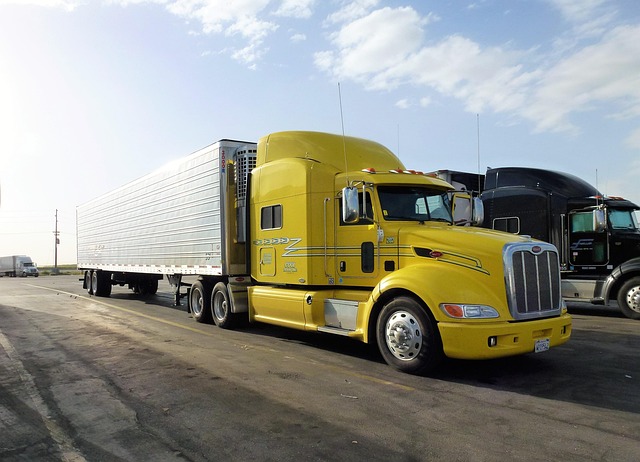
To register your car in California, you’ll need to complete several steps, and accurately entering your vehicle’s information is a critical part of this process. Begin by obtaining all necessary documents, including your vehicle’s registration from the previous state, proof of insurance, and a valid driver’s license. Next, turn your attention to the Application Form, which requires meticulous attention to detail, especially when inputting the Vehicle Identification Number (VIN). Ensure every digit is correct and legible; this unique 17-character code is essential for identifying your vehicle and is used in various stages of registration, including VIN verification processes.
When filling out the form, clearly indicate the make, model, year, and other relevant features of your car. These details are vital for accurate record-keeping and can aid in efficient mobile vin inspection and verification services available in California. For instance, many auto clubs and specialized companies now offer mobile vin verifier services, enabling you to get real-time VIN checks without visiting a DMV office. This is particularly useful when purchasing a used vehicle, as it ensures the car’s history aligns with the seller’s claims.
Accurate VIN entry is crucial for successful registration and ensuring your vehicle’s legal status in California. It forms the basis for various checks, including identifying potential recalls, insurance valuation, and preventing fraud. Therefore, double-check your entries to avoid errors that could lead to delays or complications. Remember, while technology like mobile vin inspection tools streamlines the process, the initial accuracy of your VIN entry on the application form remains paramount.
Provide Proof of Insurance and Payment for Fees

Registering a car in California involves several crucial steps, and one of the vital components is providing proof of insurance and making fee payments. This process ensures that vehicles on California roads meet necessary safety and coverage standards. To start, you’ll need to obtain auto insurance from a company authorized to operate within the state. This not only protects you financially in case of accidents but also satisfies legal requirements for registering your vehicle. When preparing the necessary documents, have your policy number and effective dates ready, as these will be verified during the registration process.
A key part of this verification involves vin inspection and vin verification. The Vehicle Identification Number (VIN) is a unique code that can reveal important information about a car’s history, including prior owners and maintenance records. A mobile vin inspection or mobile vin verification service can be particularly convenient during the registration process. These services allow you to have your vehicle’s VIN checked digitally, ensuring accuracy and saving time. For instance, some California DMV locations offer mobile services for this very purpose, making it easier for residents to meet all requirements.
Additionally, when registering your car, expect to pay several fees. These include the registration fee, a vehicle safety inspection fee, and possibly other taxes or charges. The registration fee varies based on the type of vehicle and its age, while the safety inspection ensures that your car meets current safety standards. It’s essential to be prepared with payment methods accepted by the California DMV, such as cash, check, or credit card. Ensuring you have all necessary proof of insurance and fee payments will streamline the registration process, making it a smoother experience for both you and the DMV officials.
Conduct VIN Verification: Ensuring Accuracy and Security in Registration

Registering a car in California involves several critical steps to ensure legal compliance and vehicle security. One of the most crucial aspects, often overlooked, is the process of Vehicle Identification Number (VIN) verification. This step is pivotal in maintaining the integrity of the registration system and protecting consumers from potential fraud. VIN verification ensures that the vehicle’s identification information matches the physical attributes of the car, providing a layer of security against stolen vehicles and identity theft.
In California, as in many states, mobile VIN inspection services have gained popularity due to their convenience and efficiency. These services send trained professionals directly to your location to perform a thorough VIN verification. The process involves scanning the VIN on the vehicle’s chassis using specialized equipment, which then cross-references this information with national databases to confirm its authenticity. This modern approach streamlines the registration process, eliminating the need for owners to visit DMV offices or wait in lines. For instance, according to recent studies, mobile VIN inspection services have reduced registration time by up to 30% compared to traditional methods.
During a VIN verification, several key components are examined. These include checking the odometer reading, verifying the vehicle’s make and model, inspecting for signs of alteration or tampering, and confirming that the VIN is properly displayed on both the vehicle’s title and registration documents. If discrepancies are found during this process, it raises red flags and may lead to further investigation by California’s Department of Motor Vehicles (DMV). By embracing mobile VIN verification, car owners can rest assured that their registration is secure and accurate, ensuring a smooth and lawful ownership experience.
Registering a car in California involves a straightforward process, from preparing essential documents to completing application forms and providing proof of insurance. Among these steps, VIN verification stands out as a critical component, ensuring the accuracy and security of your vehicle’s registration. By accurately entering vehicle information, paying applicable fees, and confirming your coverage through insurance, you can efficiently navigate the registration process at your local DMV or through online services. This comprehensive guide equips readers with the knowledge to smoothly register their vehicles in California, providing a clear roadmap for success.