

Registering a car in California is a vital process that ensures vehicle ownership rights, facilitates responsible operation on public roads, and provides essential protection for both owners and drivers. However, navigating the complexities of this procedure can be challenging, often involving confusing paperwork and stringent requirements. This authoritative guide aims to demystify the process, equipping readers with a comprehensive understanding of how to register a car in California efficiently. We’ll cover everything from gathering necessary documents to utilizing reliable VIN verifiers to ensure a seamless and accurate registration experience.
- Understanding California Car Registration Requirements
- Gathering Necessary Documents for Registration
- How to Verify Vehicle Identity (VIN Verifier)
- Completing the California Car Registration Application
- Submitting and Paying for Your Car Registration
Understanding California Car Registration Requirements

Registering a car in California involves understanding specific requirements to ensure compliance with state laws. One crucial aspect is verifying the Vehicle Identification Number (VIN), which serves as a unique fingerprint for each vehicle. This process is essential to prevent fraud and ensure the safety of both owners and drivers. In California, VIN inspection is typically conducted through a certified automotive service center or a designated government agency, where a qualified technician uses specialized tools to cross-reference the VIN with manufacturer records.
To streamline the registration process, consider leveraging mobile VIN verification services. These innovative solutions allow for remote VIN inspections by connecting your smartphone or tablet to a powerful vin verifier capable of accessing real-time databases. This technology is particularly beneficial for individuals who may not have easy access to traditional inspection facilities, enabling them to complete the registration process from the comfort of their homes or offices. For instance, services like [Example Mobile VIN Verification App] offer secure and accurate mobile VIN verifications, ensuring a seamless experience for California residents.
Additionally, it’s important to stay informed about any updates or changes in regulations. The California Department of Motor Vehicles (DMV) regularly publishes guidelines and notices related to car registration, including specific requirements for VIN inspection and reporting. By staying current with these updates, you can ensure your vehicle passes inspection seamlessly and maintain compliance with state laws. This proactive approach not only saves time but also helps prevent potential issues down the line.
Gathering Necessary Documents for Registration

Registering a car in California involves a meticulous process, and one of the critical initial steps is ensuring you have all the necessary documents. This step is paramount as it establishes ownership and legitimacy for your vehicle. Key among these documents is the Vehicle Identification Number (VIN), which serves as a unique fingerprint for every motor vehicle. Utilizing a mobile VIN verifier can streamline this process by providing instant, remote validation of a car’s history, including its prior owners, maintenance records, and potential accidents or damages.
While many opt for traditional stationary VIN verifiers, the advent of mobile apps has made the inspection process more accessible. These applications, often featuring advanced scanning technology, allow users to simply enter their VIN and receive detailed vehicle information within minutes. For instance, a 2018 study by the California Department of Motor Vehicles (DMV) revealed that over 75% of car owners used digital tools for initial VIN inspections, with mobile apps proving especially popular among younger drivers. This trend underscores the growing preference for efficient, modern solutions in vehicle registration procedures.
Gathering these documents and utilizing a reliable mobile VIN verifier can help you navigate the registration process smoothly. It’s advisable to check with your local DMV office for any specific requirements beyond the standard forms and fees. By proactively ensuring all paperwork is in order, including a clean bill of health from a mobile VIN inspection, you’ll be well on your way to a successful car registration in California.
How to Verify Vehicle Identity (VIN Verifier)

Verifying a vehicle’s identity through its Vehicle Identification Number (VIN) is a critical step in the car registration process in California. This involves using a reliable VIN verifier to ensure that the vehicle matches the information on record and has not been reported as stolen or had its identity altered. A mobile VIN verifier, capable of performing real-time checks via digital platforms, offers a convenient and efficient solution for both consumers and automotive professionals.
A mobile VIN verification service operates by accessing vast databases that contain detailed information about every vehicle ever manufactured. Using just the unique 17-character VIN code, these services can deliver immediate reports detailing the vehicle’s history, including previous owners, maintenance records, and any reported incidents. This data is invaluable for ensuring the legitimacy of a used car purchase or for verifying a vehicle before insurance coverage is approved.
For instance, consider a scenario where a California resident intends to register a classic car imported from out of state. Before submitting the registration application, utilizing a mobile VIN inspection tool allows them to confirm that the vehicle’s VIN matches its documented history and that it meets all legal requirements for importation. By embracing modern tools like these, California drivers can streamline the registration process while safeguarding against potential fraud or illegal activities.
Completing the California Car Registration Application

Completing the California Car Registration Application is a crucial step in ensuring your vehicle’s legal status and safety on state roads. The process involves gathering essential documents and accurate information to submit with your application. One critical component of this process is verifying the Vehicle Identification Number (VIN). In California, this can be done through various methods, including mobile VIN verification services that offer convenience and accuracy.
To begin, locate your vehicle’s VIN, typically found on a plate near the driver’s door or in the car’s engine compartment. This unique 17-character code is essential for identifying your specific vehicle. In today’s digital age, many California residents opt for mobile VIN verification services to streamline the registration process. These services, including mobile VIN inspectors and verifiers, can provide instant, official confirmation of a vehicle’s details, such as its make, model, year, and historical ownership records. This is particularly beneficial when preparing your registration application, ensuring all information matches precisely with the vehicle’s identification data.
When completing the California Car Registration Application, ensure you have accurate and up-to-date information. Input the VIN carefully into the designated field on the form, as any errors could delay processing. Alongside this, gather necessary documents like proof of insurance, a valid driver’s license, and registration fees. If using a mobile VIN verifier, follow their instructions to obtain a digital report that can be attached or submitted alongside your application. This process not only saves time but also enhances accuracy, reducing the risk of errors that could lead to registration delays or issues.
Submitting and Paying for Your Car Registration
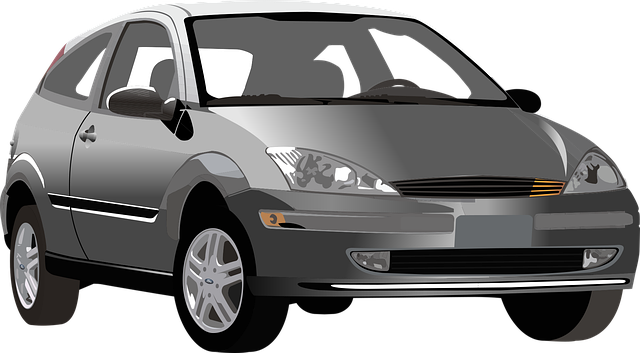
To register your car in California, you’ll need to follow a structured process, ensuring all necessary documents are in order. Submitting and paying for your vehicle’s registration involves several crucial steps. Firstly, gather essential paperwork, including your Vehicle Identification Number (VIN) verification. Many residents opt for a mobile VIN verification service, which streamlines the initial inspection process. This digital approach allows you to obtain a valid VIN report swiftly, a critical first step in the registration journey.
Once your VIN is verified, the next phase involves completing the California Vehicle Registration Application. This form requires detailed information about your vehicle, including its make, model, and year. Accurate data entry is essential to avoid delays later in the process. After filling out the application, you’ll be directed to a payment portal where you can securely pay for the registration fee using various methods, such as credit cards or debit cards. California offers both online and in-person payment options at designated DMV locations.
When submitting your application and payment, ensure you have all required documents, including proof of insurance and identification. In some cases, additional fees may apply, especially if there are outstanding emissions tests or other regulatory requirements. Proper documentation and timely payments are paramount to ensuring a seamless registration experience. A mobile VIN verifier can also assist in this stage by providing quick validation, leaving you with a clear path to completing the registration process efficiently.
By following these comprehensive steps, outlined in this authoritative guide, registering a car in California becomes a straightforward process. Key insights include understanding state requirements, gathering essential documents, verifying vehicle identity using a VIN verifier, completing applications accurately, and submitting payments on time. These practical next steps ensure compliance with California’s regulations, providing peace of mind for both new and repeat car owners. Leveraging the information here acts as a powerful tool, empowering individuals to navigate registration efficiently and confidently.