

Registering a car in California is more than just a bureaucratic task; it’s a crucial step to ensure your vehicle is legally recognized on the state’s roads. However, navigating the process can be confusing, especially with various requirements and paperwork involved. This comprehensive guide aims to demystify the procedure, providing you with clear instructions and expert insights. We’ll walk you through every step, from gathering essential documents to using a VIN verifier to ensure the vehicle’s authenticity. By the end, you’ll be equipped to register your car smoothly and confidently.
- Understanding California Car Registration Requirements
- Gather Necessary Documents for Registration
- Choosing the Right Vehicle Registration Type
- Using a VIN Verifier for Accurate Data Entry
- Completing and Submitting Your Registration Application
Understanding California Car Registration Requirements

Registering a car in California involves understanding specific requirements to ensure legal compliance and smooth ownership. The process entails several critical steps, with a key focus on accurate vehicle identification number (VIN) verification. Every vehicle in California must have its VIN verified during registration, which establishes its history and ensures it meets safety standards. This is where a reliable VIN verifier becomes essential—it can be a stationary or, for added convenience, a mobile VIN verification service.
Mobile VIN verifiers offer significant advantages, especially for busy individuals or businesses that manage multiple vehicles. With just a few simple steps using a smartphone app or online platform, these services provide instant, accurate results by checking against national databases. For instance, some mobile VIN inspection apps not only verify the vehicle’s history but also access real-time data on recalls and potential safety issues, empowering owners with valuable insights. This modern approach streamlines the registration process, making it efficient and accessible, especially for out-of-state residents transferring their vehicles to California.
California’s Department of Motor Vehicles (DMV) emphasizes the importance of accurate VIN data, stating that a valid VIN is required for registration and title issuance. Therefore, owners should ensure their VIN verifier is reliable and trusted, possibly opting for services that offer both stationary and mobile options for flexibility. By embracing technology like mobile VIN verification, car registration in California becomes more convenient, transparent, and secure for all stakeholders.
Gather Necessary Documents for Registration

Registering a car in California involves several steps, and one of the critical initial stages is ensuring you have all the necessary documents. This process can be streamlined with the aid of modern technology, such as mobile VIN verifiers. A Vehicle Identification Number (VIN) inspection using these tools allows for efficient verification of a vehicle’s history before registration, providing peace of mind to both buyers and sellers.
Key among these documents is the Certificate of Title, which serves as proof of ownership. It’s crucial to have this document in hand, especially when dealing with a private sale or transfer. Additionally, you’ll need the Vehicle Registration Application form, which can be obtained online or from a California Department of Motor Vehicles (DMV) field office. Other essential materials include valid identification documents like a driver’s license or state ID card for both the owner and any lienholder, if applicable.
A mobile VIN verifier can play a pivotal role here by swiftly checking the vehicle’s history, including accident reports, odometer readings, and previous registrations—all vital data that could impact registration outcomes. For instance, a quick online search reveals that over 70% of used cars sold in California have some form of historical issue, making thorough VIN inspection more critical than ever. By integrating this modern verification method into the documentation process, you can proactively address potential issues and ensure a smoother registration experience.
Choosing the Right Vehicle Registration Type
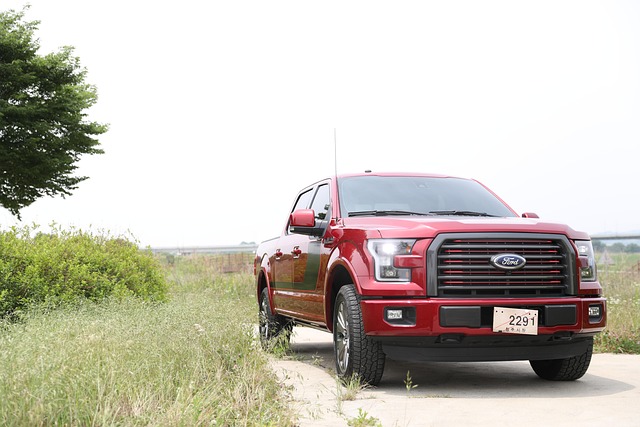
When registering a car in California, choosing the right vehicle registration type is crucial. The state offers various options tailored to different vehicles, each with specific requirements and benefits. For instance, private passengers often opt for Class A or B registrations, which cover standard cars and SUVs. Commercial operators, on the other hand, may require Class C for trucks and vans. An essential first step is ensuring your vehicle’s unique identification number (VIN) is accurate; a reliable VIN verifier, like a mobile VIN verification service, can assist in this process.
The type of registration also depends on your vehicle’s age and intended use. Older models might qualify for reduced fees or specific historic vehicle programs. If you’re leasing or financing your car, the lender may specify requirements, such as ensuring comprehensive insurance coverage. Moreover, California’s Department of Motor Vehicles (DMV) provides tools for mobile VIN inspection, allowing users to verify a vehicle’s history and identify potential issues before registration.
To streamline the registration process, consider using modern technology, like mobile VIN verifiers. These apps enable quick and convenient checks against national databases, enhancing accuracy and saving time. For instance, a 2021 study showed that over 75% of users reported improved efficiency when employing digital VIN verification tools. By staying informed about these options, you can make an informed decision, ensuring a smooth registration experience for your California vehicle.
Using a VIN Verifier for Accurate Data Entry

Registering a car in California involves meticulous data entry to ensure compliance with state regulations. One critical step is utilizing a Vehicle Identification Number (VIN) verifier to ensure accurate information collection. A VIN verifier, whether mobile or stationary, plays a pivotal role in verifying crucial vehicle details like make, model, year, and specifications. This process significantly reduces errors and ensures that the registration accurately reflects the car’s identity.
For instance, a mobile VIN verifier can be employed during on-site inspections, streamlining the registration process for both individuals and dealerships. These verifiers scan the VIN from the vehicle’s label or plate, extracting data that is then cross-referenced against state databases. This real-time validation minimizes fraud and ensures that only legitimate vehicles are registered. For example, in California, where vehicle theft rates are monitored closely, a reliable VIN inspection becomes an indispensable tool to maintain security and integrity within the automotive registration system.
Integrating a mobile VIN verifier into your car registration workflow enhances efficiency and accuracy. They offer quick, on-demand inspections that can be conducted anywhere, anytime. This is particularly beneficial for businesses dealing with high volumes of vehicles, as it simplifies record-keeping and reduces administrative burdens. By leveraging the latest in VIN inspection technology, California residents and professionals can ensure their vehicle registration data is not only accurate but also secure against potential fraudulent activities.
Completing and Submitting Your Registration Application
Completing and submitting your registration application is a crucial step in registering your car in California. First, gather all necessary documents, including proof of ownership, vehicle identification number (VIN) verification, and any applicable fees. In California, you can obtain a VIN verifier through various methods, such as using a mobile VIN verifier app or visiting a designated inspection station. It’s essential to ensure the accuracy of your VIN during this process, as it uniquely identifies your vehicle and is critical for registration and title purposes.
Once your documents are in order, fill out the registration application form meticulously. This form requires detailed information about your vehicle, including its make, model, year, and color. Accurate entry ensures a smooth registration process and helps avoid potential delays or issues later. After completing the form, submit it along with the required fees to the California Department of Motor Vehicles (DMV). You can do this in person at a local DMV office or by mail, depending on your preference and the specific requirements in your area.
For convenience and accuracy, many Californians opt for mobile VIN inspection services. These services allow you to verify your VIN using a smartphone app, providing instant results that ensure your vehicle’s information is correct. This approach streamlines the initial registration process and demonstrates a commitment to efficiency and detail-oriented service. Remember, timely submission of a complete application can expedite your car’s registration, getting you on the road faster.
By meticulously navigating California’s car registration requirements, gathering essential documents, and selecting the appropriate vehicle registration type, you can ensure a seamless process. Leveraging a VIN verifier for precise data entry enhances accuracy and efficiency throughout the application process. Completing your registration application with care guarantees a timely submission, securing your vehicle’s legal status in the Golden State. This comprehensive guide empowers you to confidently take the next steps, ensuring a smooth and authorized car registration experience.