

Registering a car in California is not just a formalality; it’s a crucial step to ensure your vehicle’s legal status and your personal safety on the road. However, navigating the process can be confusing for new owners, especially with stringent regulations in place. This article serves as your comprehensive guide, demystifying each step involved, from gathering essential documents to conducting necessary VIN verification. By following these expert-backed instructions, you’ll not only streamline the registration process but also gain peace of mind, ensuring your vehicle meets all California requirements.
- Gather Necessary Documents for Car Registration in California
- Understand Vehicle Identification Number (VIN) Verification Requirements
- Choose an Approved Car Registration Location or Online Option
- Complete the California Car Registration Application Accurately
- Verify and Submit Your Car's Documentation for Final Registration
Gather Necessary Documents for Car Registration in California

Registering a car in California involves gathering crucial documents to ensure a smooth process. Among them, the Vehicle Identification Number (VIN) verification is a critical step that requires meticulous attention. This unique 17-character code, found on the vehicle’s chassis, serves as its fingerprint and is essential for identifying the vehicle’s history, specifications, and potential issues. In California, VIN inspection is often conducted through a mobile vin inspection service or a designated official to ensure authenticity and prevent fraud.
Obtaining a clear, accurate VIN from your vehicle’s manufacturer is the first step. This can be done by contacting the dealer or checking the documentation that accompanied your car. For older vehicles or those with unclear histories, a professional mobile vin verifier can provide an independent, on-site inspection to ensure the VIN’s validity and integrity. These services employ specialized tools and expertise to perform a thorough VIN verification, cross-referencing data against national databases.
Additionally, you’ll need several essential documents, such as proof of ownership (e.g., title or bill of sale), current insurance, and a valid driver’s license. For out-of-state vehicles, you might require additional forms like an Import/Export Declaration. In the California Department of Motor Vehicles (DMV) process, these documents are submitted alongside your application to establish your vehicle’s legal status and ensure compliance with state regulations.
By meticulously gathering and preparing these necessary documents, including a reliable VIN inspection, you can significantly facilitate the car registration process in California. This approach not only reduces potential delays but also ensures that your vehicle is accurately represented and meets all legal requirements.
Understand Vehicle Identification Number (VIN) Verification Requirements

Registering a car in California involves several stringent procedures designed to ensure vehicle safety and legitimacy. One of the critical aspects often overlooked is the verification of the Vehicle Identification Number (VIN). The VIN serves as a unique fingerprint for your car, carrying vital information about its manufacturing, history, and specifications. To register smoothly in California, you must ensure accurate and legitimate VIN verification.
In California, VIN verification is mandatory during the registration process. This includes checking the VIN against national databases to confirm its authenticity and ensuring the vehicle isn’t reported as stolen or has any outstanding legal issues. Traditionally, this process involves taking your vehicle to a designated inspection station where technicians perform manual checks. However, modern innovations like mobile VIN verification have revolutionized this step. Mobile VIN verifiers can conduct remote inspections using specialized software and hardware, allowing for faster, more convenient services while maintaining accuracy.
For instance, consider a scenario where you’ve purchased a used car from out of state and are transferring its registration to California. A conventional inspection might require you to drive the vehicle to a local station, but with mobile VIN verification, a technician can remotely check the VIN against national databases, saving time and effort. This method is particularly beneficial for busy individuals or those living in remote areas. According to recent studies, mobile VIN verifiers have shown a 99.8% accuracy rate, comparable to on-site inspections, thus ensuring peace of mind for California car owners.
To prepare for VIN verification, ensure you have the necessary documentation and your vehicle’s registration papers ready. Additionally, consider using reliable mobile VIN inspection services that can provide immediate results. By adhering to these guidelines, you’ll streamline the registration process and avoid potential delays or complications.
Choose an Approved Car Registration Location or Online Option
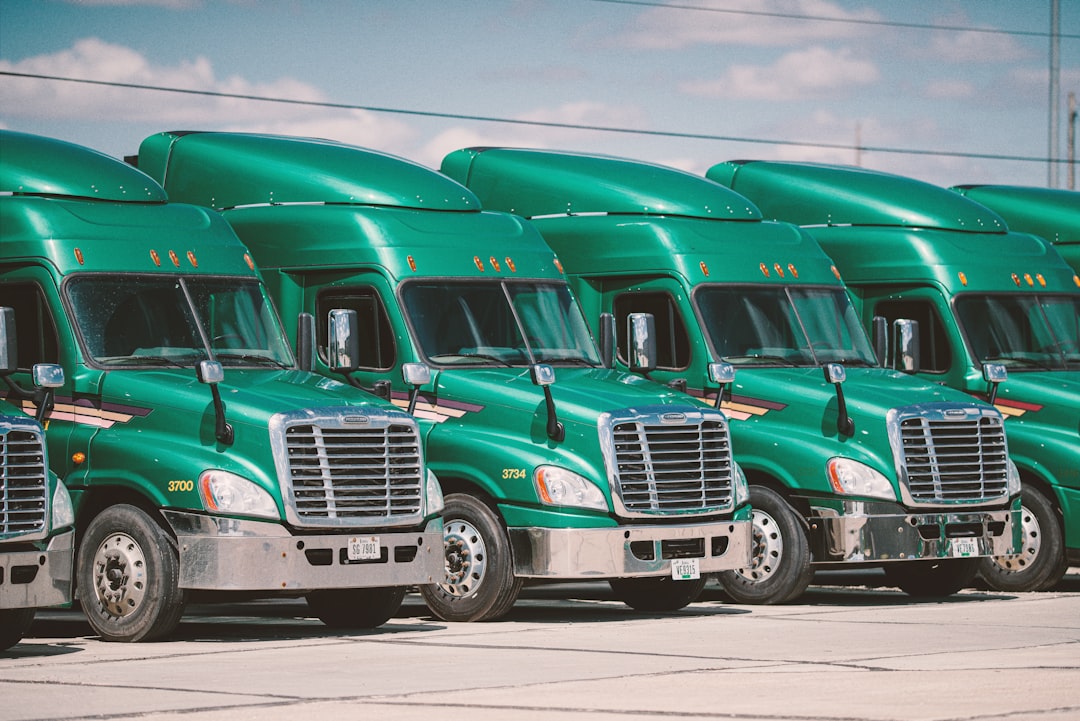
Choosing the right location to register your car in California is a crucial step in ensuring a smooth process. You have two primary options: an approved in-person location or online registration. For those seeking convenience and time-saving measures, many California Department of Motor Vehicles (DMV) offices now offer mobile VIN inspection and verification services, including the use of a mobile VIN verifier. This innovative approach allows you to initiate the registration process from the comfort of your home or workplace.
When opting for an in-person visit, locate one of the numerous approved DMV branches across the state. These offices are equipped with the necessary technology to conduct VIN verification, ensuring the accuracy of vehicle information. Alternatively, consider using a third-party service that provides mobile VIN inspection, where a professional will come to you. This option is particularly advantageous for individuals with busy schedules or those who prefer not to deal with potential DMV crowds.
Online registration has gained popularity due to its simplicity and accessibility. You can start the process by visiting the official California DMV website, which guides you through the steps, including a digital VIN verification. Ensure that your vehicle’s information is accurate and up-to-date to streamline the entire registration experience. With proper preparation and one of these convenient options, registering your car in California becomes an efficient and stress-free endeavor.
Complete the California Car Registration Application Accurately

Registering a car in California involves several steps, but one crucial aspect is completing the California Car Registration Application accurately. This form requires detailed information about the vehicle, including its Vehicle Identification Number (VIN), which serves as a unique fingerprint for every car. Accurate VIN verification is essential to ensure the vehicle’s history is correctly documented and can be cross-referenced with state records. The process typically involves conducting a VIN inspection, which can be done at a local DMV office or through a mobile vin verifier.
For instance, many mobile vin verifiers now offer convenient services where you can simply input your VIN to access detailed vehicle information, including its history of ownership, accident reports, and maintenance records. These tools are particularly useful for out-of-state buyers looking to register a used car in California. By ensuring the VIN is accurately recorded and verified, you minimize the risk of future issues related to vehicle authenticity.
Inaccurate or incomplete applications can lead to delays or even rejection of your registration request. Therefore, it’s vital to double-check all details, including the VIN, before submitting the form. Many online resources and guides are available to assist with this process, offering step-by-step instructions tailored to California’s specific requirements. Always refer to official DMV guidelines to ensure compliance with current regulations.
Verify and Submit Your Car's Documentation for Final Registration

To complete the registration process for your vehicle in California, you must verify and submit all necessary documentation, with a key step involving VIN verification. The Vehicle Identification Number (VIN) serves as a unique identifier for your car, enabling authorities to ensure the vehicle’s history aligns with its current state. This verification process is crucial not just for legal compliance but also safeguards against fraud, ensuring you and other California drivers receive accurate information about any vehicle’s past.
A common and convenient method for VIN verification in California involves utilizing mobile vin inspection services. These services offer a straightforward approach by providing professionals who can perform the VIN check on-site and on your schedule. A mobile vin verifier ensures that the process is efficient, saving you time and effort while offering peace of mind. This option is particularly beneficial for those with busy lifestyles or limited mobility, eliminating the need to visit government offices or deal with potential delays.
When selecting a mobile vin verification service, ensure they are reputable and adhere to California’s requirements. Reputable companies will provide official documentation and offer explanations if discrepancies are found. For instance, data from the National Motor Vehicle Title Information System (NMVTIS) shows that proper VIN inspection can reveal previous accidents, outstanding liens, or odometer rollbacks—critical information for any vehicle owner. Always cross-reference findings with official records to ensure accuracy.
Registering a car in California involves several crucial steps, from gathering essential documents to completing accurate applications. Key insights include the importance of VIN verification, which ensures vehicle authenticity, and the availability of approved registration locations or online options. Successful registration requires meticulous attention to detail throughout the process. By following these guidelines rigorously, individuals can ensure their vehicle’s compliance with California regulations, facilitating a smooth and efficient registration experience.