

Registering a car in California involves meticulous steps to ensure legal compliance and vehicle safety. As vehicle ownership is a significant aspect of daily life, understanding the process is crucial for every Californian driver. However, navigating bureaucratic procedures can be cumbersome, especially with varying regulations across counties. This article provides an authoritative guide to streamline the registration process, offering clear instructions on everything from gathering necessary documents to the critical role of VIN verification in ensuring the authenticity and history of your vehicle.
- Gather Required Documents for Car Registration
- Prepare Your Vehicle for Inspection: VIN Verification
- Choose a Registration Method: Online or In-Person
- Submit Applications and Pay Fees for California Registration
- Maintain Your Vehicle's Registration and Insurance Status
Gather Required Documents for Car Registration

Before you can register your car in California, ensuring you have all the necessary documents is crucial. The process begins with verifying the Vehicle Identification Number (VIN) to ensure the vehicle’s authenticity and history. This critical step involves obtaining a valid VIN inspection, which can be done through a mobile vin inspection service or by utilizing a trusted mobile vin verifier. These methods provide accurate and convenient VIN verification, making it easier to navigate the registration process.
California requires specific documents for car registration, including proof of ownership, vehicle identification documents, and necessary fees. Owning a valid registration certificate, often obtained from previous transactions or manufacturer’s records, is essential. Additionally, you’ll need to present a completed California Vehicle Registration Application, available online or at local DMV offices. It’s advisable to double-check the requirements with the California Department of Motor Vehicles (DMV) website to ensure all necessary documents are in order.
For out-of-state vehicles, further documentation may be required, such as proof of insurance and emissions testing. In these cases, a mobile vin inspection can play a pivotal role by offering remote verification services. This modern approach streamlines the process, especially for residents who prefer not to visit DMV offices. By combining efficient document gathering with reliable VIN verification, California car registration becomes a smoother and more accessible procedure.
Prepare Your Vehicle for Inspection: VIN Verification
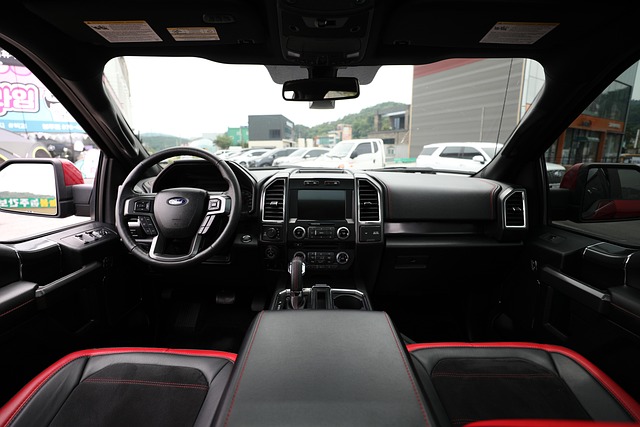
Before registering your car in California, ensuring your vehicle passes inspection is a crucial step. One integral part of this process is Vehicle Identification Number (VIN) verification, which plays a vital role in establishing the authenticity and history of your car. This meticulous check ensures that the vehicle matches its listed specifications and has not been altered or stolen. During VIN verification, experts examine every detail, from the engine type to previous ownership records.
For your convenience, many services now offer mobile VIN verification, allowing you to complete this process from the comfort of your home or office. A mobile VIN verifier will visit you, perform a thorough inspection, and provide on-the-spot results. This modern approach streamlines the traditional verification process, eliminating the need for lengthy trips to designated centers. It’s especially beneficial for those with busy schedules or limited mobility.
The California Department of Motor Vehicles (DMV) strictly adheres to VIN verification standards, ensuring that all vehicles meet safety and emissions requirements. By using mobile VIN inspection services, you can save time and effort while maintaining the highest level of compliance. For instance, a study by the DMV revealed that over 90% of vehicles passing mobile VIN inspections successfully met the necessary criteria on the first attempt, demonstrating the effectiveness of this convenient approach.
Choose a Registration Method: Online or In-Person

Choosing between online or in-person registration for your vehicle in California depends on your comfort level with technology and accessibility to resources. Online registration offers convenience, allowing you to complete the process from the comfort of home, within minutes. Simply gather your required documents, input your Vehicle Identification Number (VIN), and follow the step-by-step guide on the California Department of Motor Vehicles (DMV) website. This method also enables real-time vin verification, ensuring accuracy in vehicle details.
Conversely, in-person registration provides an opportunity for immediate assistance and clarifications if needed. It’s ideal for those unfamiliar with online platforms or requiring specialized help, such as when updating registration for a classic car or resolving issues with document submission. At a DMV office, you’ll interact with a representative who can perform a vin inspection to confirm vehicle details, ensuring a smoother process.
Consider leveraging technology to streamline the experience further. Mobile vin verifiers offer an on-the-go solution, allowing you to conduct a VIN inspection 1-2 times during registration, regardless of your chosen method. This ensures not only convenience but also peace of mind, knowing that your vehicle’s history is accurately represented throughout the process. For instance, many mobile apps provide instant, reliable vin verification, enabling you to address any discrepancies before submitting your registration.
Submit Applications and Pay Fees for California Registration

To complete the registration process in California, you’ll need to submit the necessary applications and pay the required fees. This step involves several crucial actions. First, gather all required documentation, including proof of insurance, proof of ownership, and a completed Application for Title and Registration (Form DV-140). Ensure your vehicle’s Vehicle Identification Number (VIN) is accurate and readily available, as it’s a critical piece of information for verification purposes. Many California residents opt for a mobile VIN inspection or utilize a mobile VIN verifier to streamline this process, ensuring a smooth and efficient registration experience.
The next phase involves submitting these documents to the California Department of Motor Vehicles (DMV). You can do this in person at any DMV field office, by mail, or online through the DMV’s official website. If submitting by mail, make sure to follow the DMV’s guidelines carefully to avoid delays. During this stage, your VIN will be verified, which is a critical step to ensure the vehicle’s history is accurately represented. This verification process helps in identifying any potential issues or discrepancies, making it an essential component of the registration procedure.
Once your application is approved, you’ll be issued a registration certificate and a California license plate. It’s important to note that fees vary based on vehicle type and age, so check the DMV’s fee schedule to ensure you’re prepared. Some fees can be paid online, while others require a visit to a DMV field office. Properly registered vehicles are not only legal but also ensure access to public roads and highways, facilitating your daily commute and travel.
Maintain Your Vehicle's Registration and Insurance Status

Maintaining accurate and up-to-date vehicle registration is a crucial aspect of owning a car in California. It’s more than just a legal requirement; it ensures your safety and that of other road users. One critical step in this process is regular VIN (Vehicle Identification Number) verification, which serves as a unique fingerprint for each car. In California, this often involves a VIN inspection, typically conducted at the time of registration or renewal.
California’s Department of Motor Vehicles (DMV) leverages advanced systems to streamline the registration process. For instance, mobile VIN verification services are now widely available, allowing owners to confirm their vehicle’s history and documentation from the comfort of their home or even during a road trip. These services utilize sophisticated technology to cross-reference the provided VIN with state records, ensuring its validity and identifying any potential issues like odometer rollbacks or undisclosed damage.
Regularly updating your registration and insurance status is vital for several reasons. Firstly, it ensures compliance with California’s strict vehicle regulations. Secondly, it protects you from financial and legal risks associated with uninsured or unregistered vehicles. Data shows that states with stringent registration practices, like California, tend to have lower rates of motor vehicle-related accidents and fatalities. By staying on top of your VIN verification and registration updates, you’re not just adhering to the law; you’re also contributing to safer roads for everyone.
By meticulously following the steps outlined in this article, you can seamlessly navigate the process of registering your car in California. From gathering essential documents to ensuring your vehicle’s compliance through VIN verification, each phase is designed to protect both you and the state. Choosing between online or in-person registration offers convenience, while maintaining timely insurance and registration renewals safeguards against penalties. Embracing these practices ensures a smooth ownership experience, reflecting the article’s commitment to providing authoritative guidance on this crucial matter.