

“Unravel the complexities of registering your car in California with our comprehensive guide. This step-by-step tutorial breaks down the process, from gathering essential documents for a successful DMV VIN verification to navigating each registration stage smoothly. We address common issues and offer post-registration tips to ensure a seamless experience. Whether new or seasoned driver, this resource is your key to a hassle-free California vehicle registration.”
- Understanding the California Car Registration Process
- Gathering Necessary Documents for DMV Vin Verification
- The Step-by-Step Guide to Registering Your Vehicle
- Common Issues and How to Resolve Them During Registration
- Post-Registration: Important Next Steps and Tips
Understanding the California Car Registration Process

Understanding the California Car Registration Process is crucial before diving into the process. The California Department of Motor Vehicles (DMV) oversees vehicle registration, ensuring all cars on the state’s roads are properly inspected and documented. This includes a critical step known as DMV VIN verification, where the unique Vehicle Identification Number (VIN) of your car is cross-referenced with the manufacturer’s records to validate its authenticity and history.
During this process, you’ll need to provide essential documentation, including proof of insurance, a valid driver’s license, and payment for registration fees. A mobile VIN verifier can be particularly useful in California, offering convenient and quick on-site inspections that complement the state’s stringent registration requirements. This ensures that your vehicle is safe and legal to operate on California roads, preventing any potential issues with the law.
Gathering Necessary Documents for DMV Vin Verification
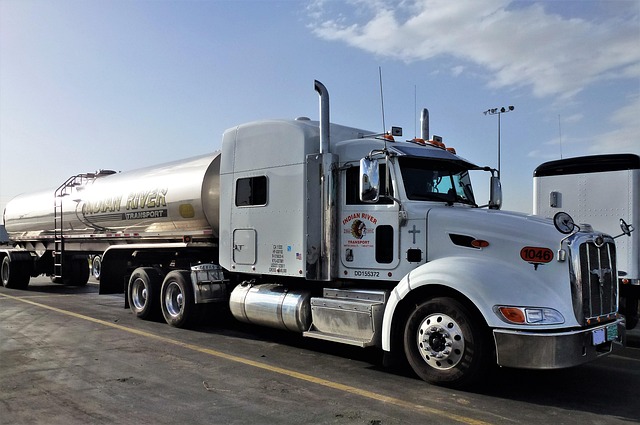
Before you can register your car in California, you’ll need to gather several important documents for the DMV’s vin verification process. This includes a valid driver’s license or ID card, proof of insurance, and the vehicle’s registration from its previous state. Additionally, ensure you have the vehicle’s Vehicle Identification Number (VIN) readily available, as it’s crucial for the inspection.
For convenience, many California residents opt for a mobile vin inspection or vin inspection service. These services allow you to obtain a digital copy of your car’s VIN and other essential details without having to visit a DMV office. This can save time and effort, especially if you’re dealing with an out-of-state vehicle transfer. Always verify the legitimacy of such services to ensure they align with California’s requirements for dmv vin verification.
The Step-by-Step Guide to Registering Your Vehicle

Registering a car in California involves several straightforward steps, ensuring your vehicle is safe to hit the road legally. Here’s a step-by-step guide to help you navigate the process seamlessly. Begin by gathering all necessary documents, including your driver’s license, proof of insurance, and the Vehicle Identification Number (VIN) from your car. Next, visit the California Department of Motor Vehicles (DMV) website to determine the required fees and any additional forms needed based on your vehicle type.
Once ready, head to a DMV office or utilize their online services for registration. You’ll need to fill out the application, providing details about your vehicle, such as make, model, and year. A crucial step involves conducting a DMV VIN verification, ensuring the data associated with your car’s unique VIN matches the information on record. If using a mobile vin verifier or undergoing a mobile vin inspection, ensure the app or service is approved by the DMV to avoid any issues. After submission, wait for processing, and once approved, you’ll receive your registration certificate and license plate.
Common Issues and How to Resolve Them During Registration

During the registration process, many Californians encounter common issues that can delay or even prevent their vehicle from being registered smoothly. One such issue is often the DMV VIN verification, where the Department of Motor Vehicles (DMV) needs to confirm the authenticity and accuracy of the Vehicle Identification Number (VIN). This step is crucial for ensuring the car’s history is accurately represented, preventing theft, and maintaining road safety.
To resolve any issues with vin inspection or mobile vin verifier services, ensure you have accurate documentation ready, including the vehicle’s title, proof of insurance, and a valid driver’s license. If you’re using a mobile vin inspection, make sure the service provider is reputable to avoid scams. For instance, incorrect or missing information can be resolved by contacting the seller for detailed records or obtaining a Vehicle History Report from trusted sources before submitting your registration application.
Post-Registration: Important Next Steps and Tips

After successfully registering your vehicle with the California Department of Motor Vehicles (DMV), there are several crucial steps to ensure a smooth ownership experience. One vital task is performing a DMV VIN verification, which confirms the vehicle’s history and identifies any potential issues or discrepancies. This process helps protect you from buying a car with undisclosed problems.
Additionally, consider a mobile VIN inspection or using a mobile vin verifier for added convenience and peace of mind. These services allow you to verify your car’s critical information, such as ownership history, accident records, and odometer readings, right from the comfort of your home. Remember to keep important documents like registration papers and proof of insurance handy, as these are essential for future reference and interactions with the DMV or law enforcement.
Registering a car in California is a straightforward process that requires careful preparation. By understanding the steps involved, gathering the necessary documents, and addressing common issues, you can ensure a smooth experience with DMV VIN verification. Remember to follow the step-by-step guide, stay organized, and be prepared for potential delays. Once registered, stay up-to-date with renewal requirements and maintain your vehicle’s documentation for future reference.